The first things that come to mind regarding event safety are security personnel and lists of safety measures, which are important; however, there are additional factors to consider in event safety. Here are six tips for your next event from an AV perspective.
1. Proper Lighting
Proper lighting is one of the most crucial components of safety. Proper lighting allows safety hazards to be more visible, reducing the hazard. Additionally, it assists security details in surveying the crowd, and in case of an emergency, medical personnel can see the route they need to take. Thus, lighting has a huge impact on the outcome of the event.
Below are a few considerations for event lighting:
- Outline definitive physical boundaries
- Adequately light walkways and venue spaces
- Have backup emergency lighting prepared
- Confirm that entrances and exits, including emergency exits, are properly illuminated
- Ensure all lighting equipment is tested to code and is up-to-date
2. Safe Noise and Volume Levels
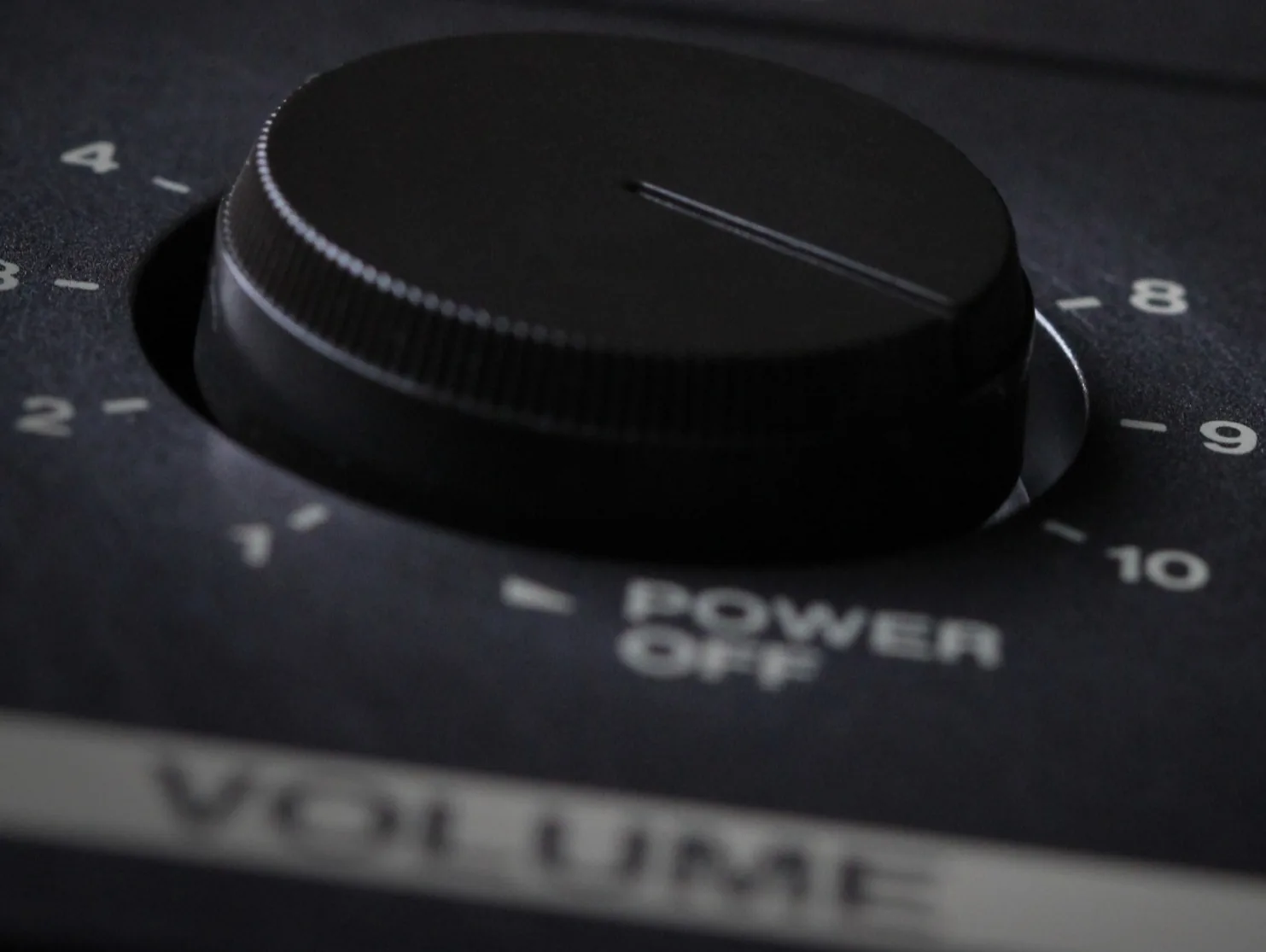
For events like musical festivals, concerts, and other loud and crowded events, safe noise and volume levels are imperative. Not properly monitoring noise and volume levels may lead to impaired hearing or even permanent hearing loss.
These are several ways to mitigate this risk:
- Set controls and monitor all noise and volume levels using an SPL meter
- Allow staff and employees to have consistent break times
- Designate a “Quiet Area” at the event
- Ensure the audience is at least 10 feet away from the speakers
3. Equipment that Withstands the Elements (for outdoor events)
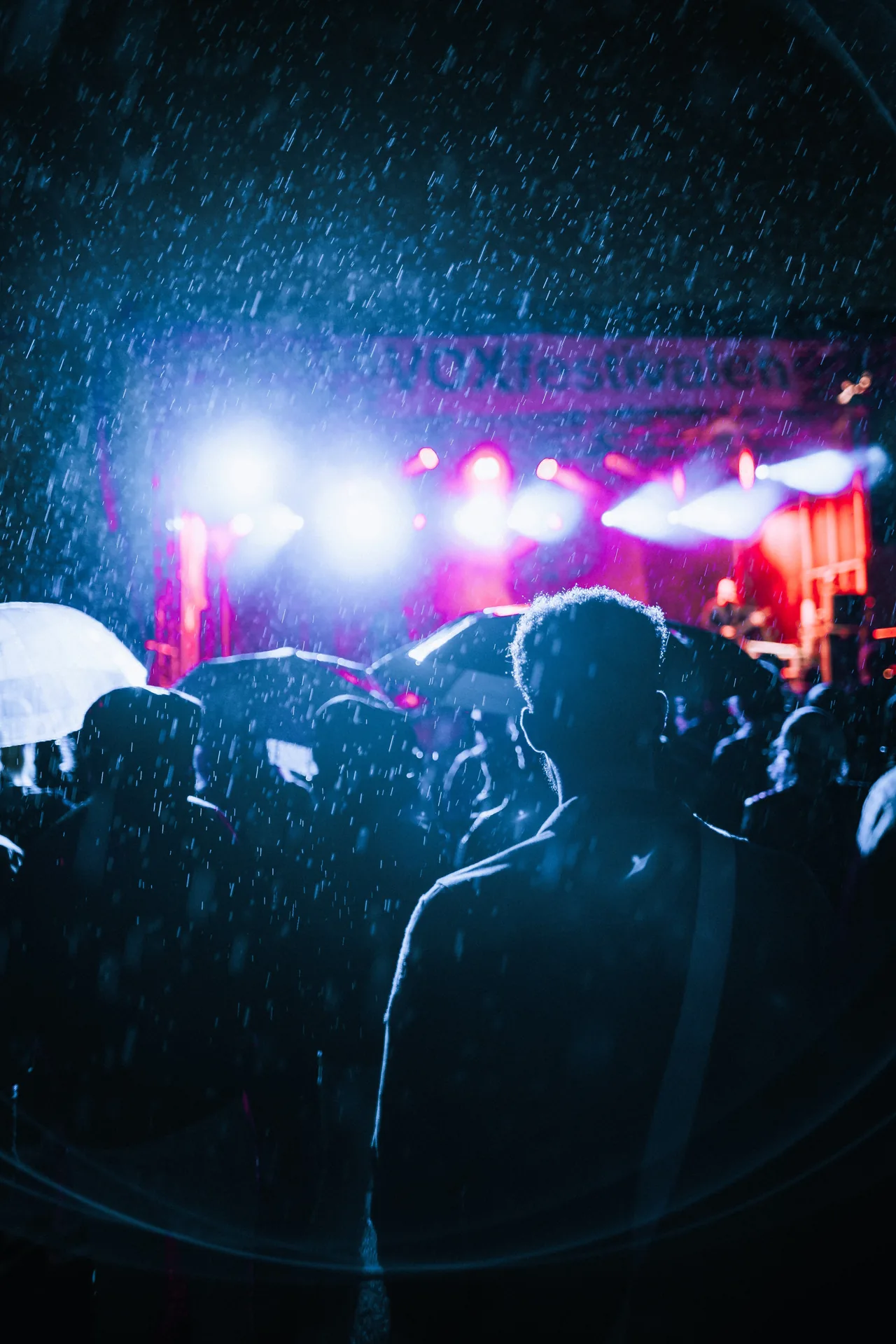
Weather can wreak havoc on audiovisual equipment and jeopardize the safety of an entire event. Two factors can help offset this risk: awareness and preparation. Having a backup plan and equipment that can withstand the elements are important in creating a safe and successful event. For example, if not secured properly, even the size or weight of equipment may present a safety risk. If it is not properly secured, equipment could fall and become a safety, security, and even a financial liability. It is always worthwhile to use equipment that can endure extreme weather conditions.
Here are some additional safety tips when it comes to braving the elements:
- Have a backup plan for all outdoor events
- Check weather conditions ahead of time and prepare accordingly
- Have equipment properly secured
- Invest in weatherproof and hardy equipment
- Assess the venue and its suitability for specific weather conditions
4. Trip Hazard Protections and Warnings
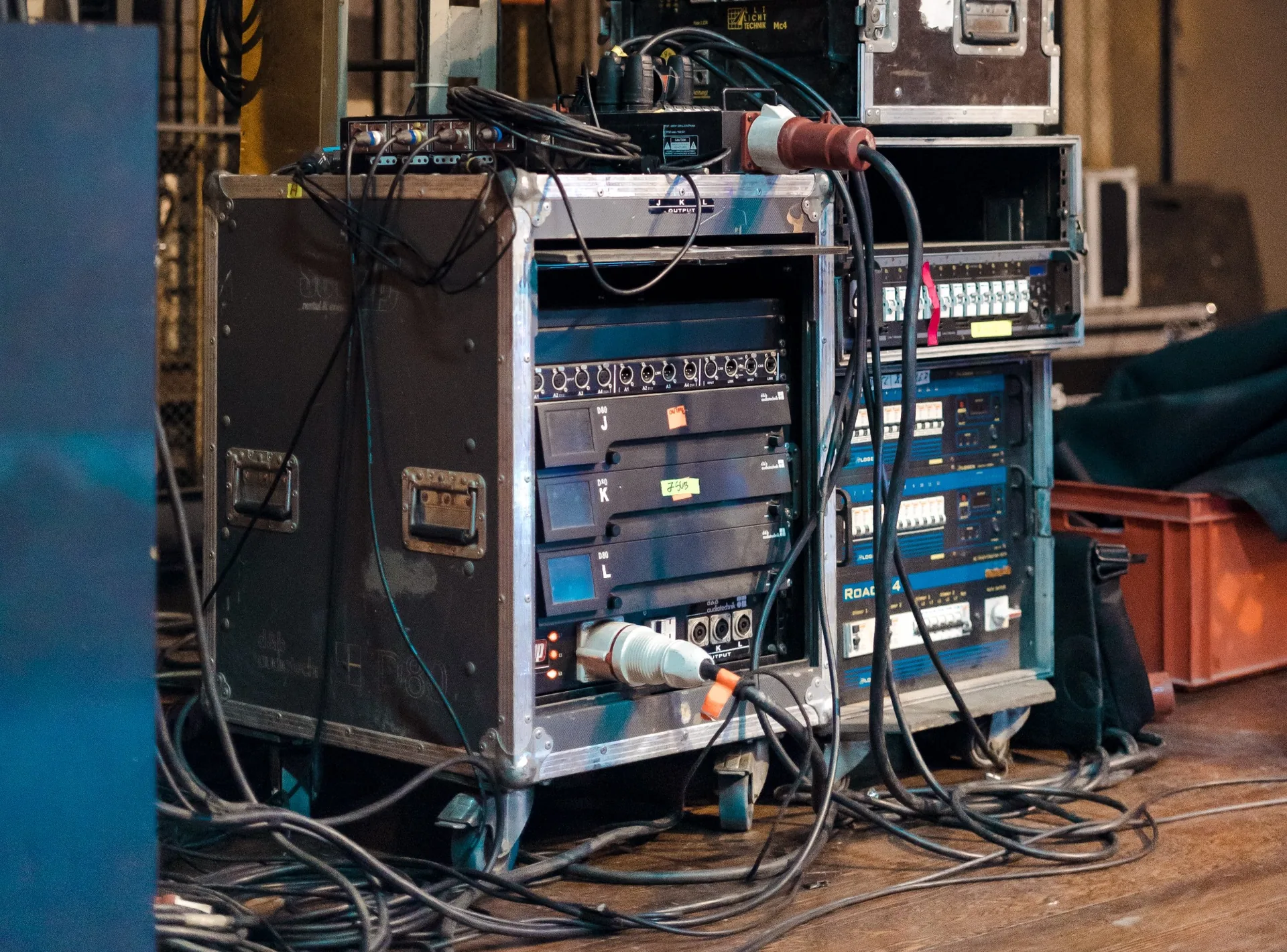
Making sure cables are secure and out of the way is critical when it comes to safety at your event. It affects everyone present at the event, including those in attendance, contractors, staff, and crew. Cables not properly secured have the potential to trip someone and create a liability situation.
Here are some trip hazard protections and warnings to consider:
- Invest in cable ramps
- Walkthrough the venue prior to the start of the event and check for trip hazards
- Place warning signs where applicable
- Secure any loose cables
- Do not leave cables strung across the floor
5. Safe and Correct Installation Procedures
Equipment can be quite heavy and is an added risk when in the air. For example, if heavy equipment were to fall from a ceiling into a crowd, serious damage and injury could occur. Whether it is lighting or other equipment, safe and correct installation procedures are paramount to event safety. This is where a professional, experienced staff, as well as certified riggers, will come in handy. This same standard should be applied for the correct installation of LED walls. These walls can cave in or fall when there is not a proper counterbalance support structure behind them. This is a risk that puts everyone potentially in harm’s way. Therefore, it is always best to deal with experienced and trained professionals who know safe and correct installation practices.
6. A Highly Professional Audiovisual Team
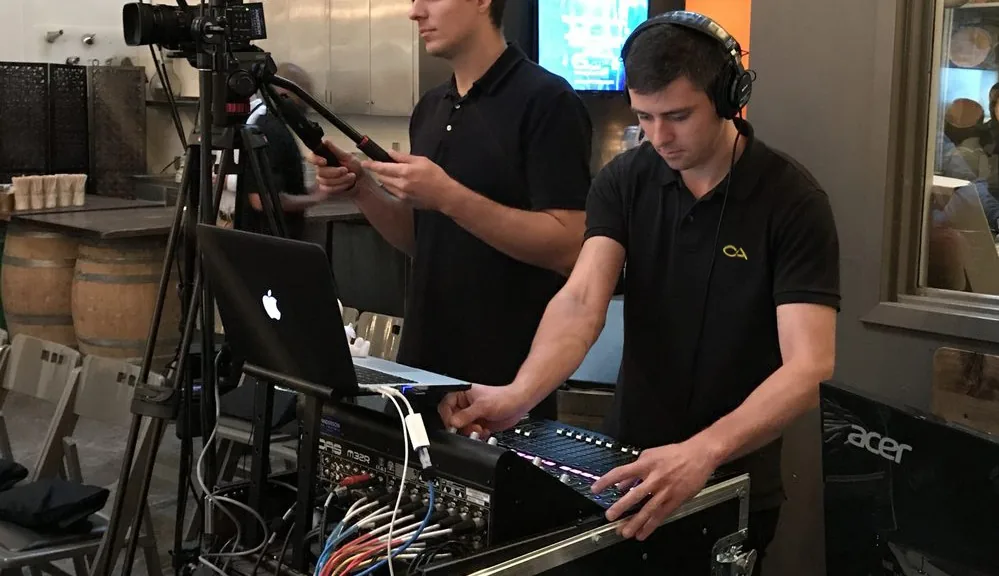
A professional audiovisual team that is experienced is one of the best investments you can make for your event. A professionally trained AV crew will understand event safety risks and hazards when they see them, and they will have the knowledge and skillsets to deal with them in an appropriate manner to mitigate risk. In addition, they will know how to properly set up, install, and take down large structures, handle and properly secure heavy equipment, as well as make sure there is adequate lighting by rigging it from above.
Event safety includes much more than many may realize. It goes beyond security details and includes important audiovisual components that should be handled by trained professionals. At Channel AV, our skilled staff specializes in reducing safety hazards, and we consider event safety one of our top priorities. Simply call or message us today to obtain more information about safety measures that can help make your event secure and safe for attendees, staff, and crews. Channel AV is here to help you with event safety management in any way we can.
Frequently Asked Questions
Why is proper lighting important for event safety? Proper lighting prevents trips and falls by ensuring all areas are clearly visible and helps attendees navigate safely throughout the venue.
What sound levels are considered safe at events? Sound levels should be kept at safe volumes to prevent hearing damage, typically below 85 decibels for extended exposure at indoor events.
How should audiovisual equipment be installed for outdoor events? Outdoor AV equipment should be weather-resistant, properly grounded, and installed by professionals to protect against rain, wind and electrical hazards.